


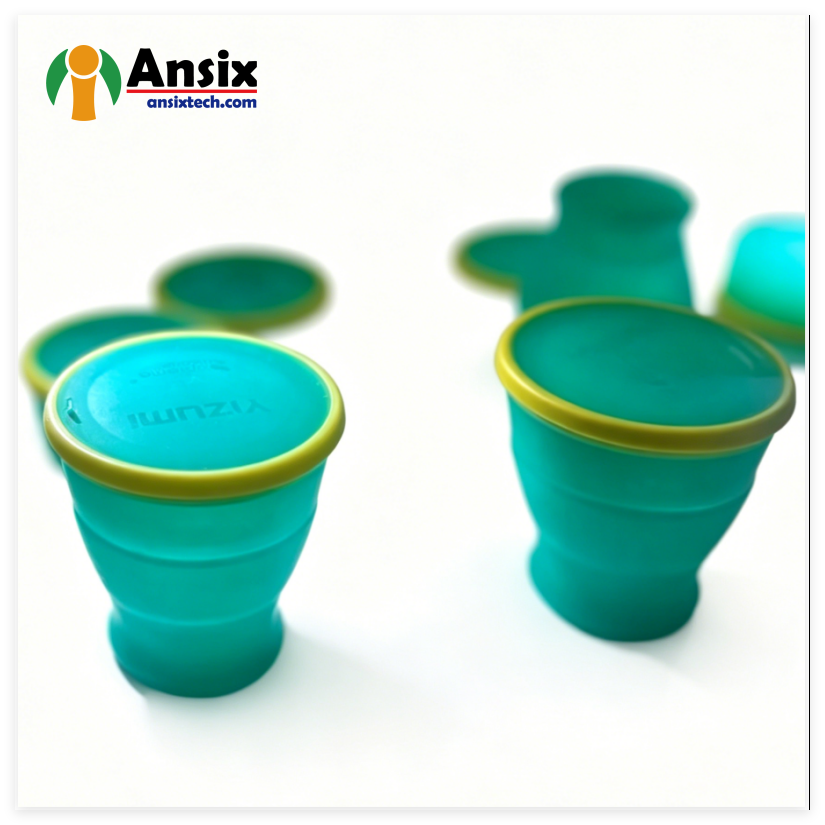


PP WAX
PP WAX


Ansix Tech Launches Comprehensive PP Wax Custom Formulation Project, Redefining Value Delivery in Precision Injection Molding
Executive Summary
SHENZHEN, GUANGDONG, CHINA – Ansix Tech, a precision injection molding specialist with over 29 years of manufacturing experience, has officially announced the launch of a comprehensive Polypropylene Wax (PP Wax) raw material custom formulation project. This strategic initiative marks a significant milestone in the company's commitment to delivering end-to-end injection molding solutions that address the most pressing challenges faced by manufacturers across industries.
With four production bases spanning China and Vietnam, 260 injection molding machines ranging from 30 tons to 2,800 tons, over 1,200 employees including more than 200 dedicated design engineers, and a cumulative record of building over 30,000 mold sets with precision capabilities reaching 0.002mm, Ansix Tech brings unmatched depth of experience to every project. The company holds ISO9001, ISO14001, IATF16949, and ISO13485 certifications, with an automated machining ratio of 70% and an average of just two mold trials before production readiness.
This report provides a comprehensive examination of Ansix Tech's PP Wax raw material initiative—from material characterization and formulation development through mold design, validation, mass production, and rapid delivery—and explores how the company systematically delivers value to clients, solves critical industry problems, ensures rigorous quality verification, reduces costs through material and process optimization, and scales capacity while guaranteeing on-time delivery.
PP WAX TDS:

Part One: Polypropylene Wax (PP Wax) – A Comprehensive Introduction
What is PP Wax?
Polypropylene Wax (PP Wax) , scientifically known as low molecular weight polypropylene, is a synthetic polymer wax produced through the controlled polymerization or thermal degradation of polypropylene. Unlike its counterpart polyethylene wax (PE wax), PP Wax is characterized by its higher melting point, superior hardness, and exceptional thermal stability, making it an indispensable additive and processing aid in numerous industrial applications.
PP Wax belongs to the broader family of polyolefin waxes, which also includes polyethylene wax (PE Wax). While both are derived from polyolefin polymers, PP Wax exhibits distinct properties that set it apart. As Westlake Chemical notes in their EPOLENE® product line, these specialty polymers—also known as polyethylene wax or polypropylene wax—are available in a variety of molecular weights, melting points, and densities. The EPOLENE® product family includes three main types: coating "C" grades, nonemulsifiable "N" grades, and emulsifiable "E" grades, each designed for specific formulation requirements.
The molecular structure of PP Wax consists of propylene monomer units arranged in a polymer chain with a relatively low degree of polymerization. The average molecular weight of PP Wax typically ranges from approximately 5,000 to 10,000 mw. This low molecular weight, combined with the isotactic or atactic configuration of the polymer chains, imparts unique physical and chemical characteristics that distinguish PP Wax from higher molecular weight polypropylene resins.
Chemical and Physical Properties
The fundamental properties of PP Wax can be understood through its technical data sheet (TDS) parameters, which vary depending on the specific grade and manufacturing process:
Thermal Properties:
Melting Point: PP Wax exhibits a high melting point ranging from 130°C to 162°C, significantly higher than polyethylene wax by approximately 30°C or more. This high melting point makes PP Wax suitable for high-temperature processing environments where other waxes would degrade or lose effectiveness.
Softening Point: The high softening point of PP Wax (typically 150-160°C) ensures dimensional stability and performance retention under elevated temperature conditions.
Thermal Stability: Premium grades of PP Wax, such as Mitsui Chemicals' HI-WAX NP055, demonstrate excellent thermal stability up to 300°C, supporting high-temperature processing including extrusion and injection molding.
Rheological Properties:
Melt Viscosity: PP Wax exhibits low melt viscosity, typically ranging from 150 to 400 mPa·s at 170°C, depending on the specific grade. This low viscosity enables superior flow characteristics and enhanced processability.
Density: The density of PP Wax generally falls between 0.87 and 0.97 g/cm³ at 23°C, with most commercial grades around 0.89-0.91 g/cm³.
Mechanical Properties:
Hardness: PP Wax is characterized by high hardness and low needle penetration values (typically less than 2 dmm at 25°C), indicating excellent surface hardness and abrasion resistance.
Particle Size: Micronized grades of PP Wax, such as Deuteron Wax PP, feature fine particle size distribution with average particle sizes around 5 microns, d50 of 6.6 microns, and d90 of 14.4 microns. This fine particle size enables easy dispersion in various systems.
Chemical Properties:
Compatibility: PP Wax exhibits outstanding compatibility with polypropylene (PP), polyethylene (PE), and engineering thermoplastics.
Chemical Resistance: PP Wax demonstrates excellent resistance to chemicals, acids, and alkalis, making it suitable for demanding applications.
Non-Toxicity: Many PP Wax grades comply with major regulatory frameworks including FDA 21 CFR §178.3750 for indirect food contact applications.
PP Wax vs. PE Wax: Key Differentiators
While both PP Wax and PE Wax serve as processing aids and additives, several key differences determine their respective application domains:
Melting Point Advantage: PP Wax's melting point (130-162°C) is approximately 30°C higher than PE Wax, enabling its use in higher-temperature processing environments.
Hardness and Wear Resistance: PP Wax exhibits superior hardness and scratch resistance compared to PE Wax, making it preferable for applications requiring surface durability.
Compatibility: PP Wax demonstrates better compatibility with polypropylene and polyolefin systems, while PE Wax shows preferential compatibility with polyethylene-based formulations.
Dispersion Characteristics: Both waxes serve as effective dispersants, but PP Wax's higher melting point and unique crystalline structure provide distinct dispersion advantages in specific systems.
Part Two: Applications of PP Wax in Industry
PP Wax finds extensive application across multiple industries, serving diverse functions ranging from lubricants and processing aids to surface modifiers and dispersants.
Plastics Processing
In the plastics industry, PP Wax serves as both an internal and external lubricant in polyolefin processing, reducing friction between polymer chains and enhancing the flow properties of the resin during processing. Key applications include:
Injection Molding: PP Wax acts as a processing aid that improves melt flow, reduces injection pressure requirements, and facilitates mold release. As a lubricant and brightener, it improves smoothness and reduces processing torque.
Extrusion: In film, sheet, and pipe extrusion, PP Wax enhances output rates, reduces die buildup, and improves surface quality. Manufacturers report energy savings of 10-20% when using appropriate amounts of PP Wax in extrusion operations.
Masterbatch Production: PP Wax functions as an outstanding dispersing agent in masterbatch formulations, preventing pigment agglomeration and creating homogeneous dispersion. The uniform distribution of pigments ensures consistent coloration and enhances the visual appeal of end products.
Coatings and Inks
PP Wax plays a significant role in coating and ink formulations:
Powder Coatings: Micronized PP Wax serves as a matting agent and scratch resistance enhancer in powder coatings.
Solvent-Based Systems: PP Wax disperses easily in solvent-based lacquer systems and printing inks, both air-drying and stoving types.
Printing Inks: PP Wax improves abrasion resistance, acts as a slip agent, and reduces offset in ink formulations. It also provides rub resistance and anti-blocking properties.
PVC Processing
In PVC processing, PP Wax serves as an effective lubricant and processing aid for profiles, pipes, foam boards, and wood-plastic composites. Its high melting point ensures performance retention even under the elevated temperatures typical of PVC compounding.
Adhesives and Sealants
PP Wax finds application in hot melt adhesives, where it contributes to:
Lower melt viscosity for easier wetting onto surfaces
Excellent molten stability through lower changes in viscosity when heated
Increased pot life and reduced incidence of plugged dispensing nozzles
Automotive and Engineering Applications
In the automotive sector, PP Wax serves as a processing aid in interior trim compounds to reduce die buildup and improve surface gloss. It also functions as a slip and anti-block agent in blown and cast films and as a surface modifier in engineered composites containing glass fiber or mineral fillers to enhance fiber wetting and interfacial adhesion.
Textile and Fabric Treatment
PP Wax is used in textile finishing to impart water and stain repellency to fabrics, while also improving fabric hand feel and durability.
Part Three: Ansix Tech's PP Wax Custom Formulation Project
Project Initiation and Customer Value Proposition
Ansix Tech's PP Wax raw material custom formulation project represents a strategic expansion of the company's integrated service offering. The core philosophy of Ansix Tech is simple: a mold is not just a piece of steel—it is a revenue-generating asset for every customer. This philosophy extends to the raw material selection and formulation phase, where Ansix Tech recognizes that material choice fundamentally determines part performance, processing efficiency, and overall project economics.
The company's core competitive advantage lies in its holistic, end-to-end approach to injection molding. Unlike fragmented service providers that outsource critical functions, Ansix Tech offers a unified platform that seamlessly integrates every stage of the product lifecycle: from material selection and formulation development to product design, prototyping, mold manufacturing, high-volume production, secondary processing, and assembly. This integration eliminates communication gaps, accelerates project timelines, and ensures consistency from concept to delivery.
Material Selection and Formulation Development
The PP Wax custom formulation project begins with a comprehensive understanding of the customer's specific requirements. Ansix Tech's team of over 200 design engineers and material scientists collaborates closely with clients to:
Define Performance Requirements: Identify the mechanical, thermal, chemical, and aesthetic properties required for the end-use application.
Select Base Resin and Additives: Choose the appropriate PP Wax grade based on melting point, viscosity, hardness, and compatibility requirements.
Optimize Formulation: Develop customized formulations that balance performance, processability, and cost.
Validate Material Properties: Conduct comprehensive testing to confirm that the formulated material meets all specifications.
Available PP Wax grades for customization include a wide range of options from leading manufacturers:
Licocene® PP 1302 fine grain (Clariant): Propylene-ethylene copolymer wax with density of 0.87 g/cm³, drop point of 87-93°C, and viscosity of 150-250 mPa·s at 170°C.
HI-WAX NP055 (Mitsui Chemicals): Polypropylene homopolymer wax with melt point of 155-162°C, penetration of 4-8 dmm, viscosity of 15-25 mPa·s at 180°C, and density of 0.90-0.91 g/cm³.
EPOLENE® N-15 (Westlake): PP wax with density of 0.902 g/cm³ and Brookfield viscosity of 700 cP at 190°C.
Deuteron Wax PP: Micronized PP wax with melting point of approximately 138°C, bulk density of approximately 300 g/l, and specific weight of approximately 0.94 g/cm³.
Solving Customer Problems Through Custom Formulation
Ansix Tech's PP Wax custom formulation initiative addresses several critical industry pain points:
Problem 1: Inconsistent Material Properties
Many manufacturers struggle with batch-to-batch variation in PP Wax properties, leading to inconsistent processing and part quality. Ansix Tech addresses this through rigorous supplier qualification, incoming material inspection, and formulation control that ensures consistent material properties across all production runs.
Problem 2: Suboptimal Processing Performance
PP Wax formulations that are not optimized for specific applications can result in poor flow, excessive cycle times, and high reject rates. Ansix Tech's material scientists optimize formulations to achieve the ideal balance of melt flow, lubricity, and thermal stability for each specific application.
Problem 3: Cost Inefficiency
The addition of PP Wax can reduce the amount of expensive raw materials required without compromising product quality, contributing to cost reduction and increased profitability. Ansix Tech's formulation expertise ensures that the optimal PP Wax loading is used—sufficient to achieve processing and performance benefits without wasteful overuse.
Problem 4: Regulatory Compliance
Many PP Wax applications require compliance with food contact regulations (FDA), medical device standards (ISO13485), or automotive specifications (IATF16949). Ansix Tech's certified quality management systems ensure that all formulations meet applicable regulatory requirements.
Part Four: Quality Validation and Material Verification
Comprehensive Material Testing Protocol
Ansix Tech implements a rigorous material validation protocol to ensure that PP Wax formulations meet all performance and quality requirements:
Incoming Material Inspection:
Melting point verification (DSC analysis)
Viscosity measurement (Brookfield viscometer at specified temperatures)
Density determination
Particle size analysis (for micronized grades)
Color and appearance inspection
Acid number determination (for functionalized grades)
Formulation Validation:
Thermal stability testing (TGA)
Compatibility testing with base resins and additives
Dispersion quality assessment
Mechanical property evaluation (tensile, flexural, impact)
Surface property characterization (gloss, hardness, scratch resistance)
Process Validation:
Melt flow index (MFI) measurement
Injection molding trials to verify processing behavior
Cycle time optimization studies
Defect analysis (warpage, shrinkage, sink marks)
DFM Analysis and Mold Flow Simulation
Before proceeding to mold manufacturing, Ansix Tech performs comprehensive Design for Manufacturability (DFM) analysis and mold flow simulation. This critical step enables the identification of potential issues at an early stage and optimizes the product design for injection mold manufacturing.
Mold flow analysis—a software-based simulation that predicts how a plastic resin will flow into and fill an injection mold—supports design for manufacturability in six important ways. For PP Wax formulations, this analysis is particularly important because:
Flow Behavior Prediction: PP Wax's low viscosity and unique flow characteristics must be accurately modeled to ensure complete cavity filling without defects.
Gate Location Optimization: Proper gate placement ensures balanced filling, reducing weld lines and air traps that weaken product strength and affect appearance.
Cooling System Design: Cooling accounts for 60-70% of injection molding cycle time, making it one of the most critical mold design elements. Mold flow analysis optimizes cooling channel layout to minimize cycle time while ensuring uniform cooling.
Warpage and Shrinkage Control: Crystalline materials like PP have large shrinkage differences, resulting in asynchronous volume changes in thick and thin-walled areas during cooling. Mold flow analysis predicts these effects and enables design adjustments to minimize warpage.
Prototype Development and Design Validation
Ansix Tech's approach to quality validation includes prototype development and design verification:
Rapid Prototyping: 3D printing and rapid tooling capabilities enable quick validation of part geometry and fit.
Single-Cavity Trials: Initial production trials on single-cavity molds validate material performance and processing parameters.
Multi-Cavity Validation: Progressive validation on multi-cavity tools ensures consistent quality across all cavities.
Production Validation: Full-scale production validation confirms that the process is capable of meeting quality and output requirements.
Part Five: Cost Reduction Through Material, Process, and Efficiency Optimization
Material Cost Optimization
Ansix Tech's PP Wax custom formulation project delivers significant cost reductions through strategic material optimization:
- Reducing Expensive Raw Material Usage:
By incorporating PP Wax into formulations, manufacturers can reduce the amount of expensive raw materials required without compromising product quality. PP Wax acts as an extender and processing aid that enables the use of lower-cost base resins while maintaining or improving performance.
- Optimizing PP Wax Loading:
Ansix Tech's material scientists determine the optimal PP Wax loading for each application—sufficient to achieve processing benefits and performance improvements without wasteful overuse. This optimization directly reduces material costs.
- Improving Yield and Reducing Scrap:
The addition of PP Wax improves processability, reduces defects, and increases yield. Higher yields translate directly to lower per-part material costs.
- Enabling Faster Cycle Times:
PP Wax's lubricating properties reduce processing torque and improve flow, enabling shorter cycle times and higher productivity. Faster cycles mean more parts per hour and lower unit costs.
Process Efficiency Optimization
Energy Savings:
Adding the proper amount of PP Wax can reduce the host current by 10-20% in extrusion operations, increasing extrusion speed and work efficiency. Manufacturers report energy savings of 10-20% when using appropriate amounts of PP Wax. Lower viscosity also leads to a reduction in processing temperatures and energy consumption.
Reduced Processing Pressure:
Wax additives can effectively lower the melt viscosity of PP, thereby enhancing its flowability and improving processability. The addition of PP Wax significantly reduces the processing temperature and pressure required, leading to energy savings and enhanced productivity.
Improved Mold Release:
PP Wax's lubricating properties improve demolding ability, reducing cycle time and preventing part damage during ejection.
Ansix Tech's Integrated Cost Reduction Approach
Ansix Tech's cost reduction strategy extends beyond material optimization to encompass the entire manufacturing process:
- In-House Mold Manufacturing:
Ansix Tech's integrated in-house mold manufacturing and injection molding operations eliminate the common industry pain point of mold outsourcing. This integration eliminates communication gaps, reduces lead times, and ensures quality control at every stage.
- Advanced Manufacturing Infrastructure:
With 260 injection molding machines ranging from 30 to 2,800 tons, including premium brands such as Japan's Fanuc, Sumitomo, Toshiba, Nissei, Engel, and Germany's Arburg, Ansix Tech has the capacity and capability to handle projects of any size or complexity while maintaining competitive pricing.
- Automation and Efficiency:
Ansix Tech's automated processing ratio of 70% and average of only two mold trials before production release translate to faster time-to-market and lower development costs.
- Scale Economies:
Four production bases across China and Vietnam, with a total building area of approximately 200,000 square meters, enable Ansix Tech to leverage scale economies and pass cost savings to customers.
Part Six: Mold Design and Manufacturing for PP Wax Applications
Mold Design Considerations for PP Wax
PP Wax formulations present unique mold design challenges that Ansix Tech addresses through specialized expertise:
Material Shrinkage:
PP Wax-containing materials exhibit specific shrinkage characteristics that must be accounted for in mold design. Crystalline materials like PP have naturally higher shrinkage and are more prone to warpage. Ansix Tech's mold designers incorporate shrinkage compensation factors based on the specific PP Wax formulation and part geometry.
Cooling System Design:
Cooling accounts for 60-70% of injection molding cycle time. For PP Wax formulations, effective cooling is essential because:
The coolant should flow from around the sprue to other parts of the mold
Cooling channels should be laid out in accordance with product shape, plastic characteristics, and requirements for mold temperature
Cooling channels should be as close as possible to cavity and core surfaces
Ansix Tech implements conformal cooling channel design integrated directly into the mold base construction, enabling more efficient and uniform cooling.
Gate Design:
Gate type and location control weld line position, air traps, shear heating, and how visible the vestige or trim will be on the finished part. For PP Wax applications, Ansix Tech's design engineers select the optimal gate configuration—whether central gate, multiple gates, or fan gates for flat, wide parts—to achieve balanced filling and minimize defects.
Ejection System Design:
Proper ejection system design is critical for PP Wax parts, which may have higher mold adhesion due to their crystalline nature. Ansix Tech designs ejection systems that ensure clean part release without damage.
Mold Manufacturing Process
Ansix Tech's mold manufacturing capability rests on state-of-the-art CNC machining infrastructure:
- Steel Selection:
Mold steel selection is critical for PP Wax applications, where high melt temperatures and production volumes demand durable tooling. Ansix Tech selects appropriate steel grades based on production volume, part complexity, and material requirements.
- Precision Machining:
With precision capabilities reaching 0.002mm, Ansix Tech's machining operations deliver the tight tolerances required for high-quality PP Wax parts.
- EDM and Electrode Manufacturing:
In-house EDM and electrode manufacturing eliminate external dependencies—mold repairs typically restored within 24 hours.
- Mold Assembly and Tryout:
Comprehensive mold assembly and tryout procedures ensure that molds function as designed before production release.
Part Seven: Injection Molding Process Optimization for PP Wax
Injection Molding Challenges with PP Wax
PP Wax formulations present specific injection molding challenges that Ansix Tech addresses through process expertise:
Shrinkage and Warpage:
PP material has good flowability but high crystallinity and large shrinkage, making it prone to water shrinkage and warping. Non-uniform shrinkage causes warpage, sink marks, and dimensional inaccuracy in finished parts.
Surface Defects:
In the wax injection method, undesirable situations such as shrinkage, collapse, warpage, weld marks, surface defects, air marks, and burr formation can occur.
Process Sensitivity:
PP Wax formulations are sensitive to processing parameters including melt temperature, mold temperature, injection pressure, and injection speed.
Process Optimization Strategies
Ansix Tech's process engineers implement comprehensive optimization strategies:
- Temperature Control:
Optimizing melt temperature to ensure complete melting without thermal degradation
Controlling mold temperature to manage crystallization and minimize warpage
Using temperature profiling to balance flow and cooling
- Pressure Management:
Optimizing injection pressure to achieve complete filling without flash
Using appropriate holding pressure to compensate for shrinkage
Reducing injection pressure through PP Wax addition to lower energy consumption
- Cycle Time Optimization:
Reducing cooling time through optimized cooling system design
Shortening injection time through improved flow characteristics
Balancing cycle time components to maximize productivity
- Defect Prevention:
Using mold flow analysis to predict and prevent defects
Implementing process monitoring to detect and correct variations
Conducting design of experiments (DOE) to identify optimal processing windows
Quality Control and Assurance
Ansix Tech's quality control system ensures that PP Wax parts meet all specifications:
In-Process Inspection:
Dimensional verification using precision measurement equipment
Visual inspection for surface defects
Process parameter monitoring and documentation
Final Inspection:
Comprehensive dimensional inspection
Mechanical property testing
Functional testing as required by application
Documentation and Traceability:
Complete documentation of material certifications
Process parameter records for each production run
Traceability from raw material to finished part
Part Eight: Packaging, Logistics, and Rapid Delivery
Packaging Solutions
Ansix Tech provides customized packaging solutions for PP Wax parts:
Bulk Packaging: For high-volume production, bulk packaging options minimize handling and shipping costs
Individual Packaging: For sensitive or high-value parts, individual packaging ensures protection during transit
Automated Packaging: Integration of automated packaging systems improves efficiency and consistency
Logistics and Supply Chain Management
With four production bases across China and Vietnam, Ansix Tech offers flexible logistics solutions:
Regional Production: Manufacturing closer to customer locations reduces shipping time and costs
Multi-Site Redundancy: Production capacity across multiple sites ensures supply continuity
Global Shipping: Established logistics networks enable delivery to customers worldwide
Rapid Delivery Capability
Ansix Tech's rapid delivery capability is enabled by:
In-House Manufacturing: Elimination of outsourcing delays
Automated Production: 70% automated processing ratio
Efficient Mold Trials: Average of only two mold trials before production release
24-Hour Repair Service: In-house EDM and electrode manufacturing for rapid mold repairs
Conclusion: The Ansix Tech Advantage in PP Wax Solutions
Ansix Tech's PP Wax raw material custom formulation project represents a significant advancement in the company's commitment to delivering comprehensive, value-driven injection molding solutions. By integrating material science expertise with world-class mold manufacturing and injection molding capabilities, Ansix Tech offers customers:
- Customized Material Solutions: Tailored PP Wax formulations that meet specific application requirements for performance, processability, and cost.
- Rigorous Quality Verification: Comprehensive testing and validation protocols that ensure material and part quality from development through production.
- Significant Cost Reduction: Material optimization, process efficiency improvements, and integrated manufacturing that reduce overall production costs.
- Scalable Production Capacity: 260 injection molding machines across four production bases, capable of handling projects of any size.
- Guaranteed On-Time Delivery: Integrated in-house operations, automated manufacturing, and efficient logistics that ensure reliable delivery.
- Unmatched Industry Experience: Over 29 years of manufacturing experience, 30,000+ molds built, and a team of over 200 design engineers.
As Ansix Tech continues to expand its PP Wax capabilities, the company remains focused on its core mission: delivering precision injection molding solutions that create measurable value for customers through innovation, quality, and operational excellence.
For more information about Ansix Tech's PP Wax custom formulation and injection molding services, visit www.ansixtech.com.
About Ansix Tech: Founded in Hong Kong in 1998, Ansix Tech is a precision injection molding specialist with over 29 years of manufacturing experience. The company operates four production bases in China and Vietnam with 260 injection molding machines, over 1,200 employees, and ISO9001, ISO14001, IATF16949, and ISO13485 certifications. Ansix Tech provides end-to-end injection molding solutions from product design and prototyping to mold manufacturing, high-volume production, and assembly.
Ansix Tech Co Ltd
If you have any plans related to PP WAX
, you can contact us at any time. We will turn your ideas into reality, let you realize your dreams, and obtain large orders from the market. Our contact information is info@ansixtech.com. Or contact our CTO, mail: stephen@ansixtech.com
#www.ansixtech.com #ansixtech.com #PP WAX #PP WAX Material #PP WAX Canopy Mold injection mold companies #Ansix #Ansix moulds #Ansix china #Ansix tech china #Ansix tech company #Ansix facotry #PP WAXinjection molding #PP WAXinjection tools #PP WAXinjection moulds #PP WAXplastic mould #PP WAXplastic tools #Ansix Tech #Ansix molds #Ansix injection molding #Ansix mold factory #injection molding Customized stainless steel float switch for water level, oil level, high liquid level alarm#Ansix mold factory #PP WAXchina #PP WAXmolds #injection factory #PP WAXinjection molding #PP WAXinjection molding factory #injection molding company #PP WAXinjection mold companies #PP WAXTooling #PP WAXmold limited #Ansix mold china #Ansix companies #Ansix company China #PP WAXfacotry #Ansix Tech #Ansix Tech mould #PP WAXinjection moulding #injection moulding company #Ansix PP WAXparts injection mold companies #medical injection molding companieschina #PP WAXchina factory #Ansix moulding companies #Ansix molding company #PP WAXinjection moulding facotry #Ansix Tech mold #PP WAXmould #PP WAXplastic injection molding #ansix plastic mold #Mold manufacturing #PP WAXparts manufacturing #PP WAXplastic parts factory #PP WAXinjection parts mold #PP WAXPRECISION MANUFACTURING #PP WAX#China mold #PP WAXinjection moulding china #PP WAXmould china #china precision mold #mold in china #PP WAXmold china #Precision molds #High-precision molds #PP WAX#Injection molds #PP WAXFactory #PP WAXCompany #Super Large Injection Mold Factory #Large Tonnage Injection Molding Factory #PP WAXCompany #PP WAXFactory #2800T Injection Molding Factory #3000 Ton Injection Molding #4500 Ton Injection Molding Factory #Large Mold Injection Molding #Large Plastic Mold Injection Molding Factory #Large Injection Mold Manufacturer #Plastic Mold Factory #Injection Mold #Plastic Mold