

Ansixtech Company

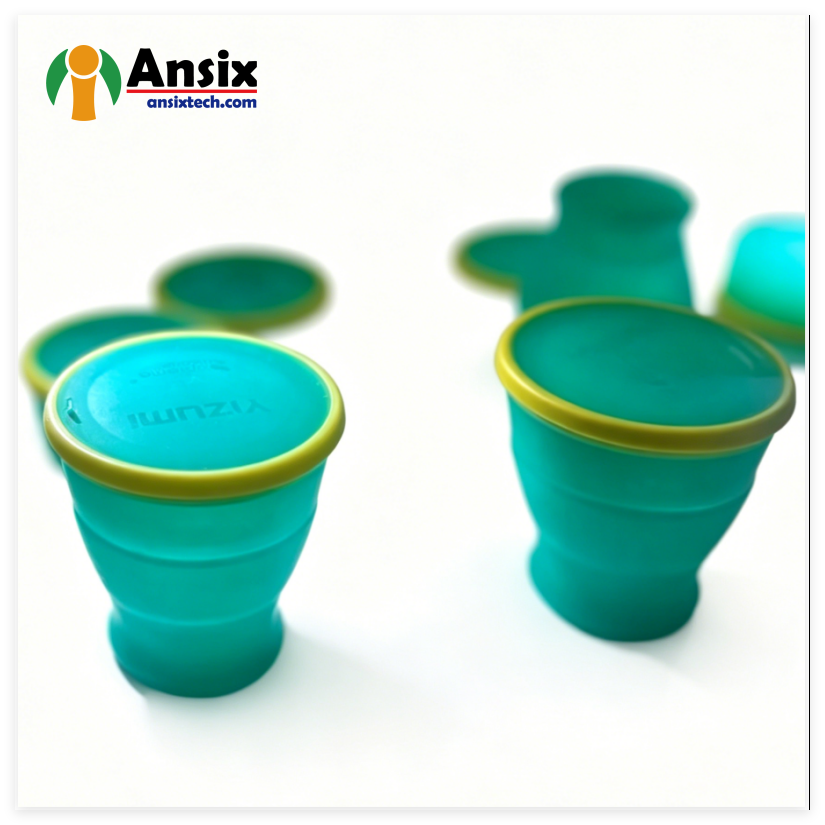


Blood filter
The Critical Blueprint: Navigating Design and Regulatory Imperatives
The journey of a blood filter from concept to clinic begins with a complex web of functional and regulatory requirements. Market demand drives the need for compact, highly efficient filters capable of operating within precise blood flow parameters—typically 100-300 mL/min—while withstanding significant transmembrane pressures up to 500 mmHg. The primary function, whether for toxin removal, cytokine adsorption, or plasma separation, dictates every design decision.
Product standards form the non-negotiable foundation of this design phase. Internationally, devices must conform to frameworks like the ISO 8637 series, which specifies requirements for extracorporeal blood circuits. In China, the recently updated mandatory industry standard YY 0267—2025 sets stringent benchmarks for the safety and performance of blood purification systems and their fluid pathways. Furthermore, biocompatibility assessments per ISO 10993 are paramount, ensuring materials do not elicit adverse patient reactions. Ansix Tech’s engineering process embeds these standards from the initial sketch, conducting rigorous design for manufacturability (DFM) analysis to ensure the final design is not only compliant but optimized for cost-effective, high-yield production.
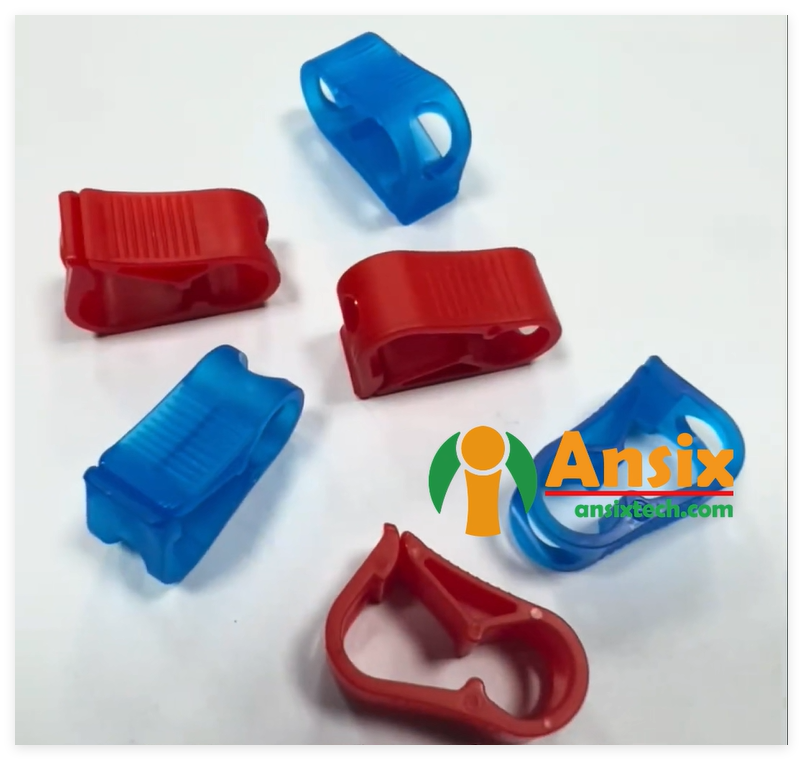
Medical hemostatic clip
Revolutionizing Surgical Precision: How Ansix Tech Delivers High-Performance Hemostatic Clips at Unprecedented Value
From Digital Design to Sterile Delivery: An Inside Look at the Integrated Manufacturing Process Powering the Future of Minimally Invasive Surgery
In the high-stakes domain of surgical medicine, the unassuming hemostatic clip is a critical guardian of patient safety. These small, precision-engineered devices are deployed by the thousands daily to ligate blood vessels and control bleeding during minimally invasive procedures. The margin for error is zero, and the standards are astronomically high. Yet, for medical device OEMs, an equally pressing challenge exists alongside quality: the relentless pressure to reduce costs without compromise.
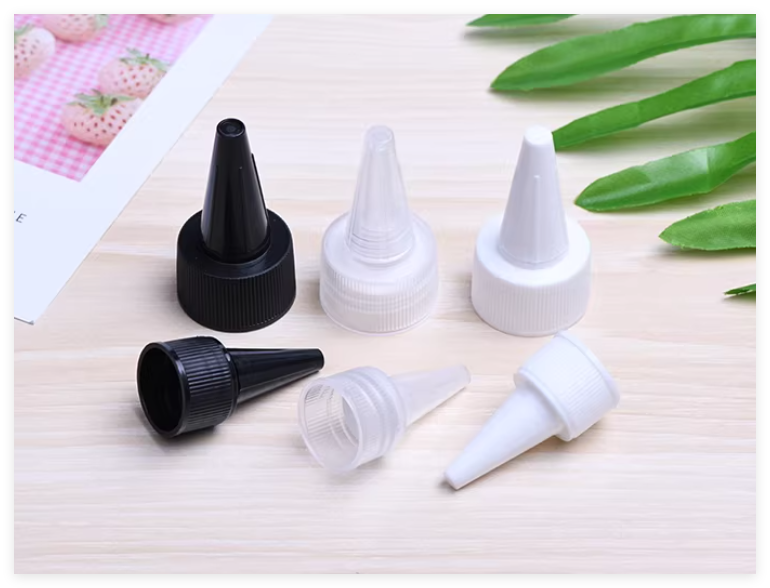
Medicine bottle cap needle valve hot runner system, 48 cavities
Ansix Tech Redefines Medical Manufacturing with 48-Cavity Needle Valve Hot Runner System
DONGGUAN, China – In an industry where precision determines patient safety and efficiency dictates market viability, a breakthrough in medical device manufacturing has emerged from Ansix Tech’s advanced engineering labs. The company has successfully developed, validated, and brought to full-scale production a 48-cavity hot runner mold system for manufacturing medicine bottle cap needle valves—a component critical to the functionality of metered-dose inhalers and precise liquid dispensers.
This achievement represents more than just manufacturing scale; it embodies a holistic re-engineering of the injection molding value chain. By integrating digital simulation, material science, and precision engineering, Ansix Tech has created a production system that delivers the extreme reliability demanded by the medical sector while achieving the cost-efficiency necessary for competitive global supply. The project leverages the company’s ANSIX Mold Workshop philosophy, applying decades of cross-industry experience from automotive and semiconductor packaging to solve persistent challenges in medical device production.
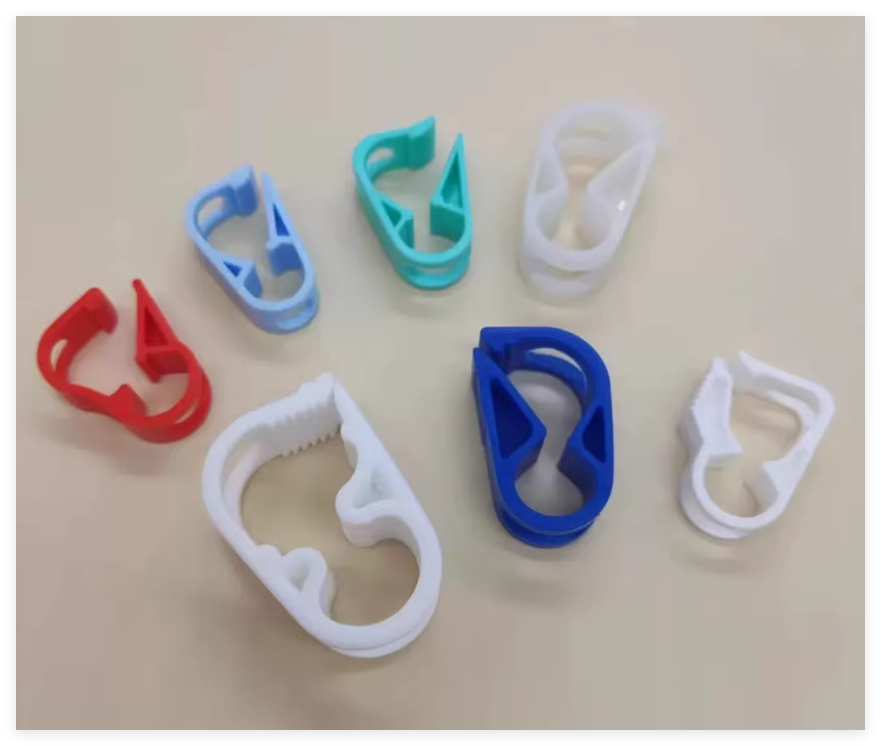
32-cavity flow control clamp mold
Engineering Value: Inside Ansix Tech's 32-Cavity Clamp Mold Revolution
The 32-cavity flow control clamp mold produced by Ansix Tech can reduce per-unit part costs by over 30%, a strategic advantage in the competitive world of precision industrial components.
In the high-stakes arena of injection molding, where margins are thin and reliability is paramount, a quiet revolution is taking place. At its forefront is Ansix Tech, a leader in precision mold manufacturing, whose latest project—a 32-cavity flow control clamp mold—showcases a holistic mastery of engineering that is redefining value for manufacturers globally. This project is more than a manufacturing endeavor; it is a comprehensive blueprint for how intelligent design, advanced material science, and process optimization converge to drive down costs while elevating quality and speed to market. From the initial digital simulation to the final packaged shipment, Ansix Tech demonstrates that the most significant savings are engineered into a product long before production begins.

Medical ultrasonic scalpel screw cap mold
Precision by Design: How Ansix Tech's Mold Mastery Powers the Future of Medical Devices
In the high-stakes world of medical device manufacturing, where micron-level precision meets uncompromising sterility, a single component can define success. At the forefront of this demanding field, Ansix Tech has executed a landmark project: the design and mass production of the injection mold for a Medical Ultrasonic Scalpel Screw Cap. This component, a critical part of advanced surgical tools, exemplifies the convergence of rigorous engineering, material science, and process innovation. Leveraging its advanced ANSIX Mold Workshop platform, Ansix Tech has established a new benchmark, demonstrating how intelligent design and digital integration can slash production costs while elevating quality and reliability to medical-grade standards.

LCP thin-walled staple cartridge
Ansix Tech Redefines Precision: How Engineering Mastery Solves the LCP Staple Cartridge Challenge
From Surgical Precision to Manufacturing Breakthrough: The Thin-Walled Imperative
In the high-stakes domain of modern surgery, the humble staple cartridge is a critical linchpin. These disposable components, integral to surgical staplers, must perform flawlessly: deploying sharp staples with perfect consistency to seal tissue and vessels. The drive for minimally invasive procedures has pushed this technology toward an engineering frontier—ultra-thin walls for smaller, more precise instruments, crafted from high-performance Liquid Crystal Polymer (LCP). This material offers the necessary sterilization resistance, dimensional stability, and strength, but molding it into sub-0.5mm walls presents a formidable challenge, where traditional manufacturing approaches falter.

LEM Swiss New Energy Current Hall Effect Sensor
Engineering Precision: How Ansix Tech Enables LEM's Hall Effect Sensor Revolution Through Advanced Injection Molding
Industry Insight: The global injection molding market is projected to reach $496.5 billion by 2032, driven by demand from the automotive, electronics, and renewable energy sectors where precision components like LEM's sensors play a critical role.
Introduction: The Critical Intersection of Precision and Power Management
In an era defined by the global transition to renewable energy and electrified transportation, the ability to precisely measure and manage electrical current has become foundational to technological progress. At the heart of this capability lie advanced current sensors like the LEM Swiss New Energy Current Hall Effect Sensor, sophisticated devices that enable efficient energy conversion, battery management, and system protection across industries from solar energy to electric vehicles.

Needleless closed-system infusion connector
Precision Meets Safety: Ansix Tech's Engineering Triumph in Medical Injection Molding
In the high-stakes arena of medical device manufacturing, where product reliability is synonymous with patient safety, a quiet revolution is underway. The global shift toward needle-free infusion systems is demanding unprecedented levels of precision, quality, and cost-efficiency from injection molders. At the forefront of this challenge is Ansix Tech, a medical molding specialist whose recent project to develop and mass-produce Needleless Closed-System Infusion Connectors (NCICs) showcases a masterclass in integrated engineering. By deploying cutting-edge digital tools, strategic material science, and a vertically controlled process, Ansix Tech is not only meeting stringent medical standards but is also delivering significant value, helping to reduce client costs through intelligent design and optimized manufacturing.

Harman Kardon speaker transparent cover mold
Ansix Tech's Precision Engineering: Mastering the Harman Kardon Transparent Speaker Cover Challenge
In the competitive world of high-end audio, where design is as critical as acoustics, Ansix Tech has carved out a specialized niche by mastering the complex art of manufacturing transparent speaker covers for brands like Harman Kardon.
In the premium audio market, Harman Kardon has consistently distinguished itself through products that blend acoustic excellence with visual sophistication. The crystal-clear speaker covers found in many of their signature models represent one of the most challenging applications in injection molding—demanding optical clarity, structural integrity, and flawless aesthetics. For Ansix Tech, a specialized injection molding manufacturer, securing the contract to produce these components represented both a significant opportunity and a formidable technical challenge.

Guidewire straightener
In the high-stakes environment of interventional cardiology and radiology, where multiple delicate guidewires snake through a patient's vasculature, a moment of confusion can have serious consequences. Guidewire straighteners—specialized, often color-coded plastic devices—are critical for organizing these vital tools, preventing tangles, and ensuring each wire is correctly identified on grayscale angiographic monitors. For medical device manufacturers, producing these small but complex components to exacting medical standards presents a formidable challenge. Ansix Tech, a leader in precision injection molding, has engineered a complete, optimized manufacturing solution that not only meets the stringent demands of the medical field but does so while significantly reducing production costs for its partners. This is the story of how advanced engineering, material science, and process innovation converge to create life-enhancing medical devices.
The Critical Design and Market Imperative
The need for guidewire organizers is not merely about convenience; it is a patient safety issue. During complex Percutaneous Coronary Intervention (PCI) procedures, physicians may use multiple guidewires simultaneously. As noted in research from the University of Ulster, these wires, regardless of manufacturer, are visually similar, creating "cognitive clutter" in the dim, high-pressure environment of an operating room. This uncertainty can lead to medical errors. An effective straightener must therefore fulfill a dual mandate: it must be a flawless physical product and an integral part of a safe surgical workflow.